
Blog
How to Maintain Cleanroom Equipment to Extend Service Life
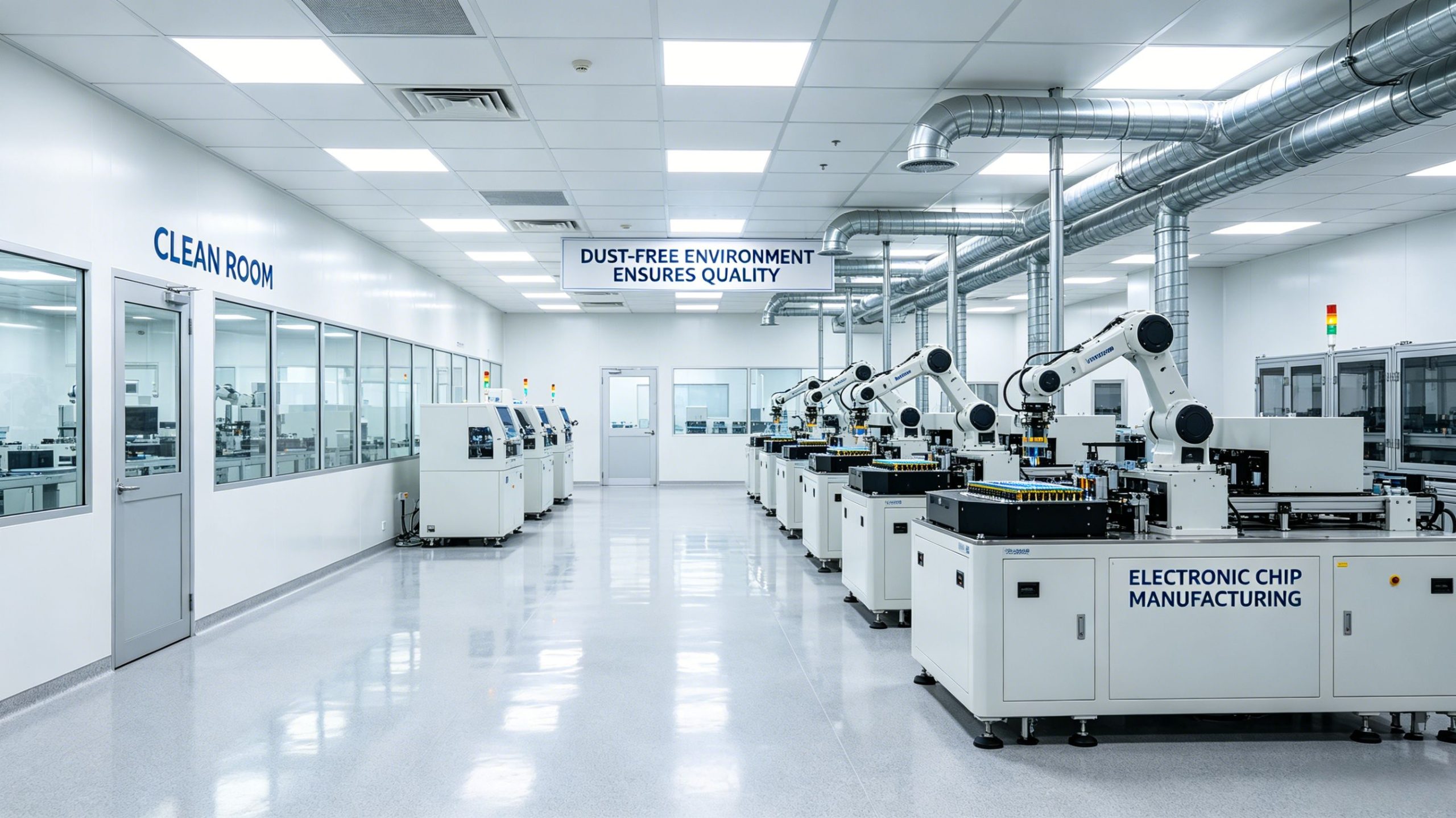
Cleanroom purification equipment is the core of the dust-free workshop operation, and its operating state directly affects the production environment and product quality. Most cleanroom equipment belongs to precision electromechanical integrated equipment. Long-term continuous operation without standardized maintenance will easily lead to filter blockage, reduced air volume, equipment aging, increased failure rate and shortened service life. Scientific and standardized daily maintenance and regular inspection can not only keep the equipment in the best working state, ensure stable purification effect, but also effectively extend the service life of the equipment, reduce enterprise replacement costs and maintenance costs, and improve the overall operation efficiency of the cleanroom.
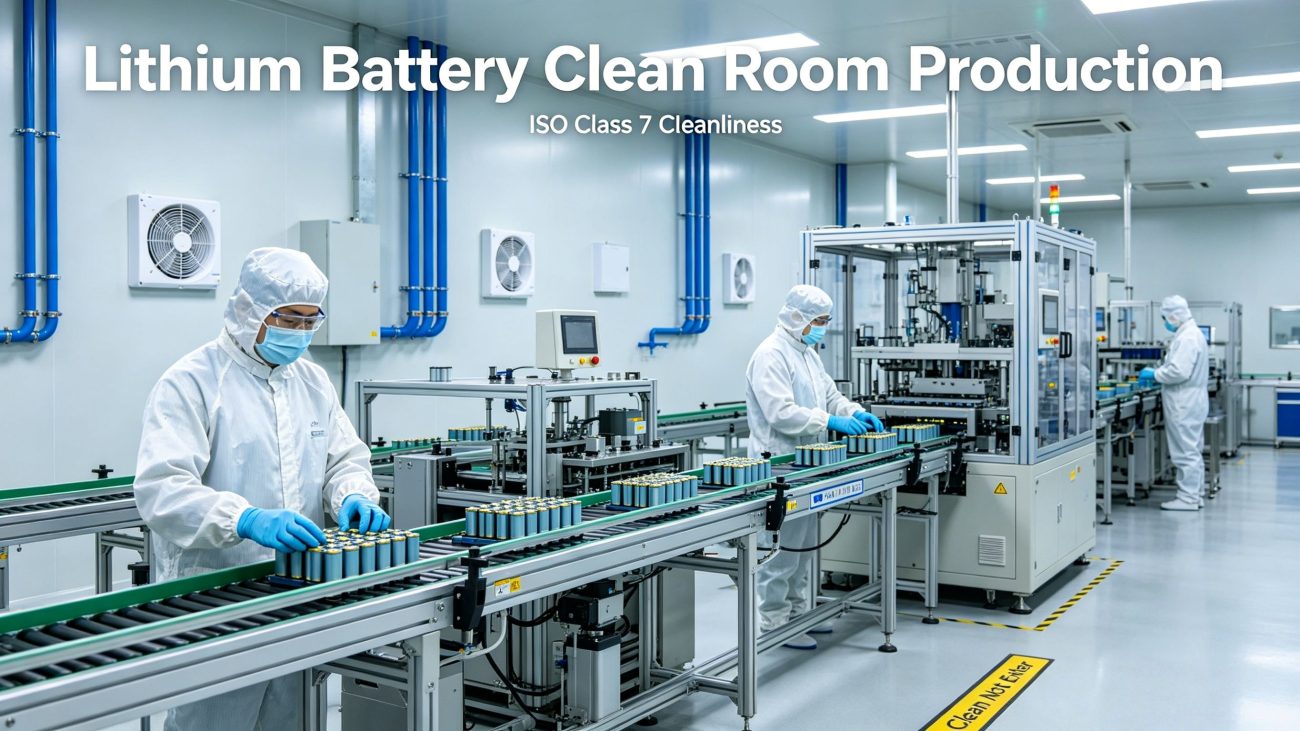
3. FFU Fan Filter Unit
FFU Fan Filter Unit is the core terminal air supply equipment of the cleanroom ceiling system, and it is widely used in various cleanrooms and ultra-clean operating environments. The equipment integrates fan operation and high-efficiency filtration. It can continuously suck in indoor air and filter out tiny dust and microorganisms through built-in high-efficiency filter materials, and then send out purified clean air evenly. FFU features low noise, low energy consumption, high air volume, stable operation and convenient installation and maintenance. It can be used alone or in combination, and is the preferred equipment for semiconductor workshops, precision instrument processing workshops and laboratory ultra-clean spaces.
4. High-efficiency Air Supply Outlet & Return Air Grille
High-efficiency air supply outlets and return air grilles are key equipment to build a complete cleanroom air circulation system. The high-efficiency air supply outlet is responsible for delivering the filtered fresh clean air into the room evenly and stably, ensuring that the indoor air cleanliness reaches the standard. The return air grille cooperates with the air conditioning purification system to recycle indoor air, realize internal air circulation and repeated filtration and purification. The reasonable matching of the two types of equipment can optimize the indoor air flow field, avoid dead corners of air circulation, maintain long-term indoor air freshness and stability, and effectively stabilize the cleanroom classification and purification effect.
1. Air Shower Room
The air shower room is the first necessary purification passage for personnel and goods to enter the cleanroom, and it is the first line of defense to prevent external dust from entering the clean area. Before staff enter the dust-free workshop, they need to enter the air shower room. The equipment blows out high-speed purified clean air through high-pressure nozzles from multiple angles, which can thoroughly sweep away dust, hair, fiber and other impurities attached to clean clothes, work clothes and body surfaces. It effectively reduces the particle pollution brought by personnel movement. Equipped with automatic induction blowing, intelligent door interlock and delayed door opening functions, the air shower room avoids the mixing of air inside and outside the clean room, and is widely used in electronics, medicine, food and biotech workshops.
2. Cleanroom Pass Box
The cleanroom pass box is a special auxiliary equipment for material transmission between clean areas and non-clean areas, and between clean areas of different cleanliness levels. In the daily production process, frequent opening of cleanroom doors will cause a large amount of external unpurified air to pour in, destroying indoor air pressure balance and cleanliness. The pass box solves this problem perfectly. Staff can transfer production raw materials, tools, finished products and other items through the pass box without frequently opening the main door of the clean room. Most pass boxes are equipped with double-door interlock and ultraviolet disinfection functions, which can realize sealed transmission and sterile purification, effectively maintain the indoor clean environment, and reduce the fluctuation of cleanroom air pressure.
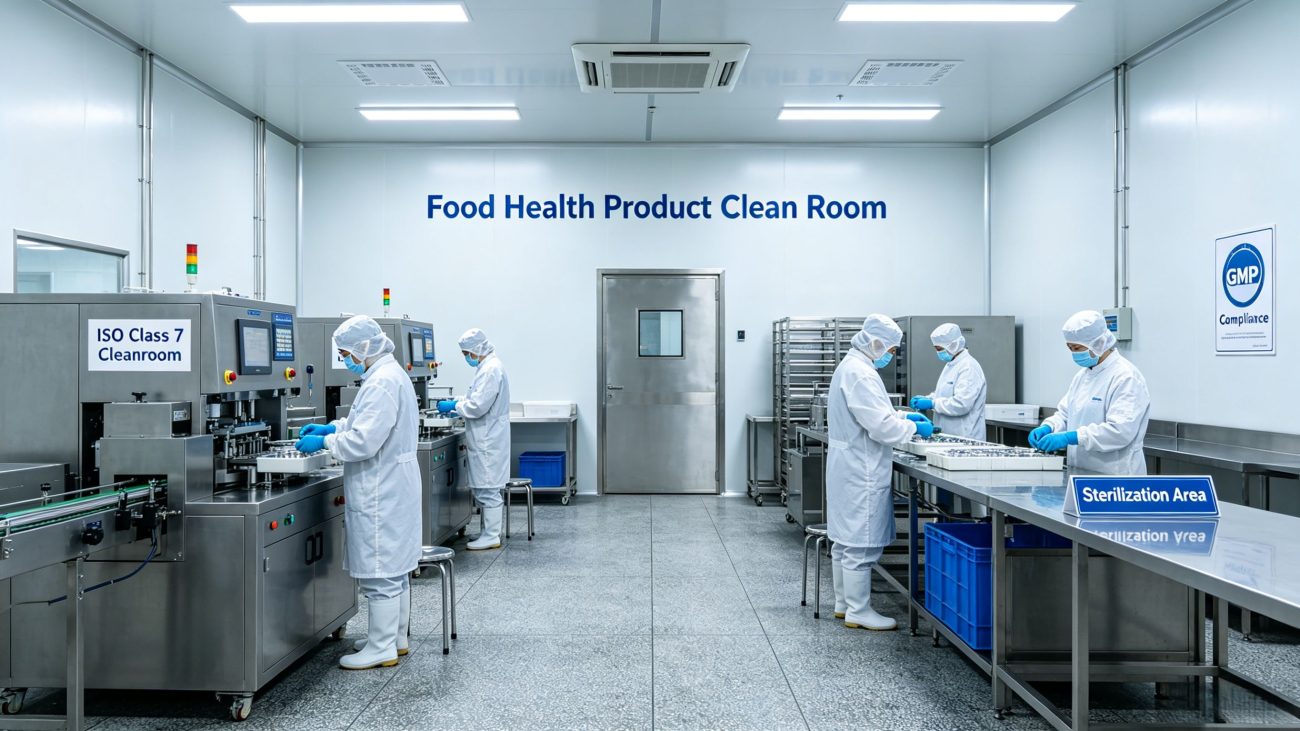
5. Stainless Steel Cleanroom Furniture
In addition to daily maintenance, cleanroom equipment needs regular professional comprehensive inspection and parameter calibration. It is recommended to invite professional purification equipment technicians to conduct a full inspection every quarter, including circuit inspection, fan operation detection, sealing performance check, air volume calibration and fault troubleshooting. Timely discover and eliminate potential hidden dangers such as equipment aging, poor sealing and circuit failure, adjust unqualified operating parameters, ensure that all equipment operates in a standardized state, and avoid sudden equipment shutdown affecting production.
Conclusion: Daily maintenance and regular professional inspection are the key to the long-term stable operation of cleanroom equipment. Scientific and standardized maintenance can maximize the service life of purification equipment, maintain efficient and stable purification performance, reduce enterprise operation and maintenance costs, and provide a continuous and reliable dust-free and sterile production environment for factory production.