
Blog
What Is a Cleanroom & Why Do Industries Need It?
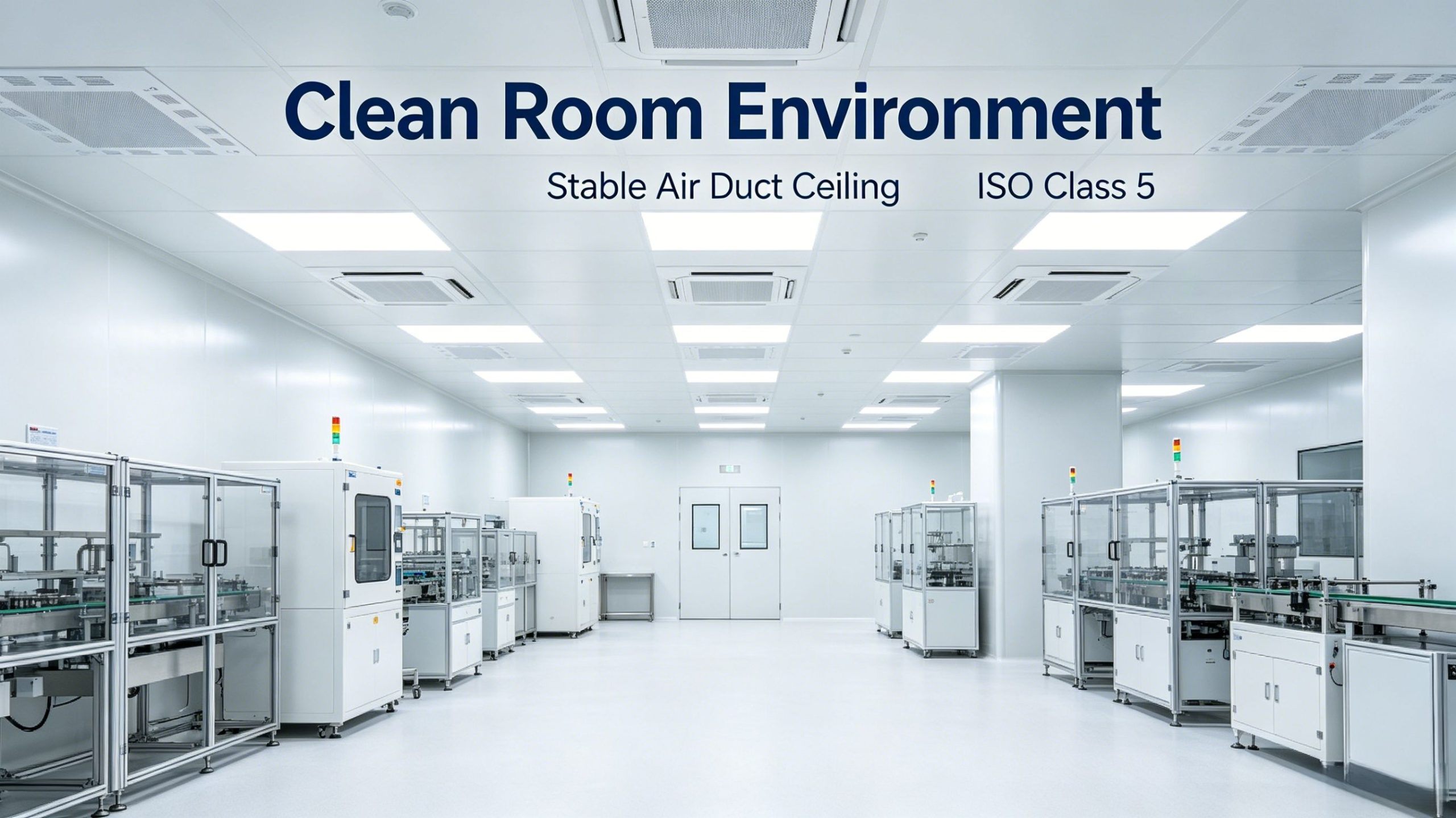
A cleanroom, also known as a clean room or dust-free workshop, is a specially designed controlled environment that strictly limits and monitors airborne particles, dust, microorganisms, temperature, humidity, and air pressure. Unlike ordinary factory workshops, cleanrooms eliminate uncontrollable environmental interference through professional purification systems and standardized management. It has become an indispensable infrastructure for high-precision manufacturing, medical production, and biopharmaceutical industries worldwide. More and more export-oriented enterprises are investing in cleanroom renovation and construction to meet global market access requirements.
1. Control Airborne Contamination Effectively
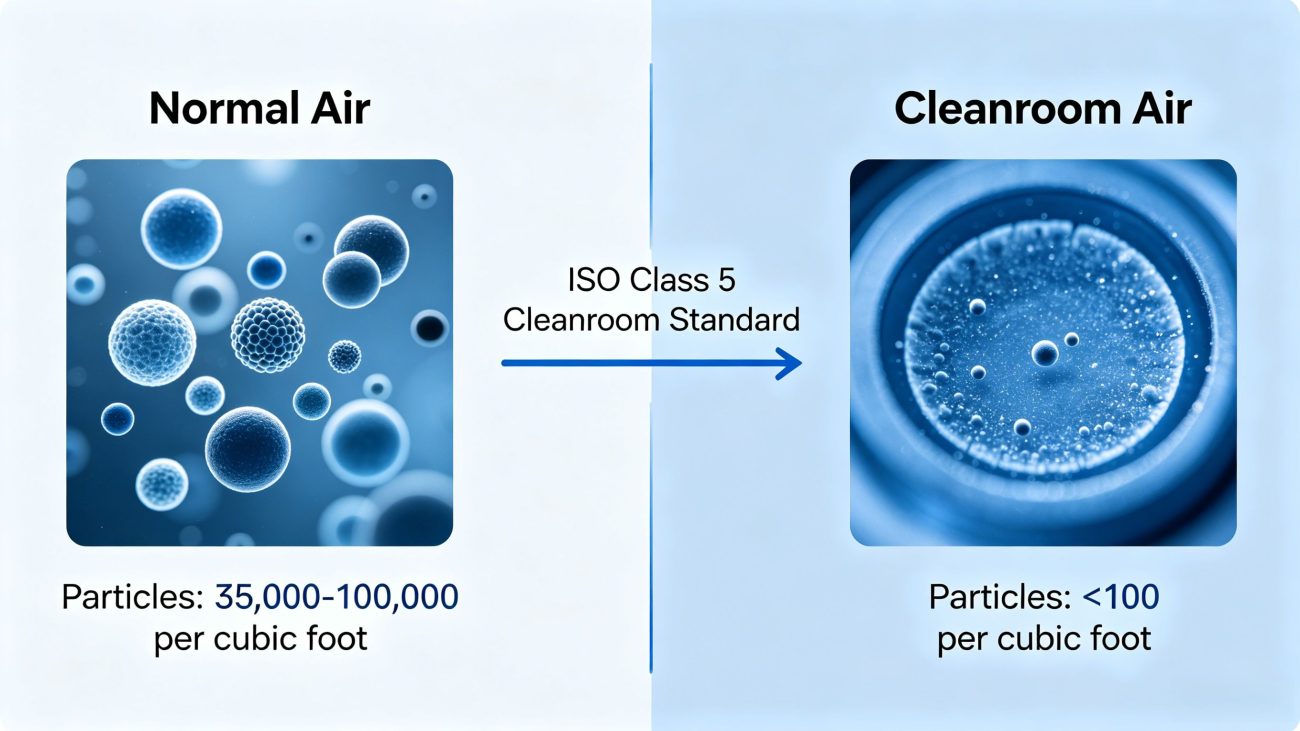
Ordinary workshop air contains a large number of invisible floating dust, pollen, bacteria, mold spores and fine particulate matter. These tiny impurities will easily adhere to product surfaces, penetrate precision components, or contaminate raw materials during the production process. Cleanrooms rely on a complete set of purification equipment such as FFU fan filter units, high-efficiency filters and air circulation systems to continuously filter and purify indoor air. It effectively reduces the concentration of airborne pollutants, avoids product surface scratches, performance failure, bacterial contamination and other problems, and greatly reduces product defective rates and production losses.
2. Ensure Product Consistency & Long-term Stability
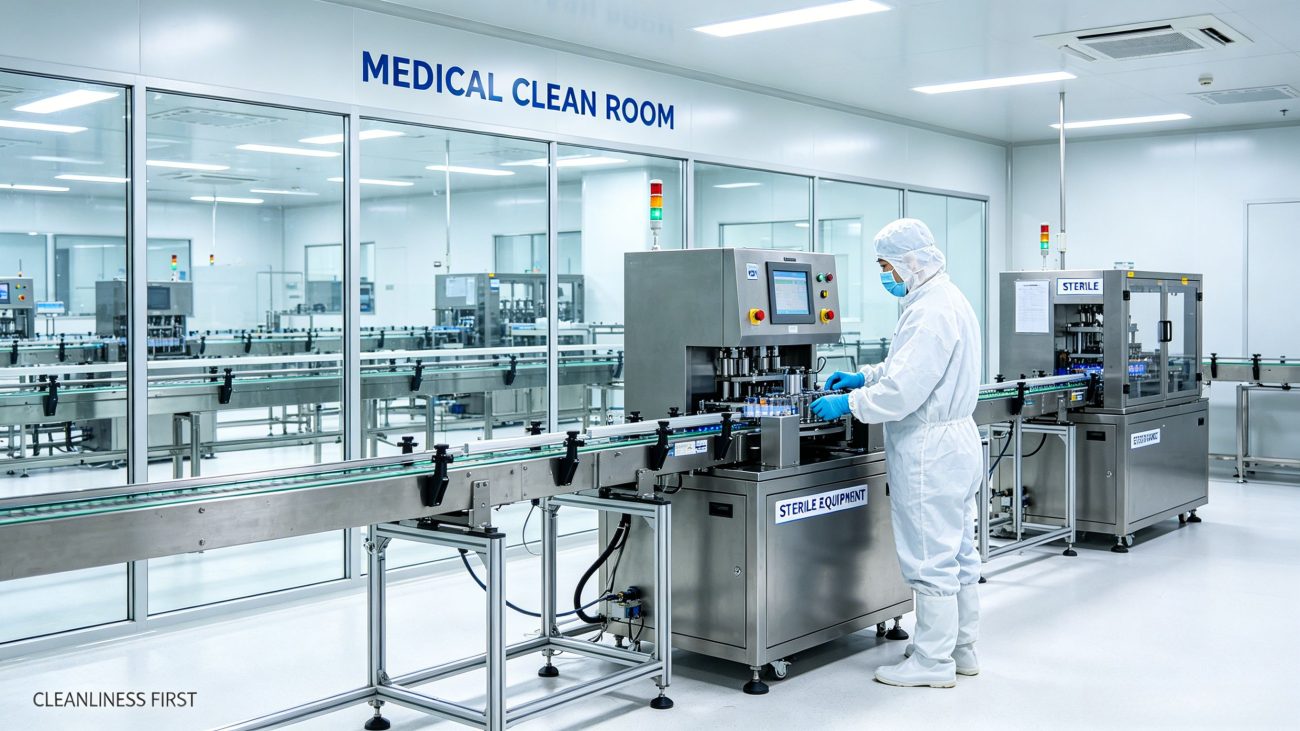
Many high-end manufacturing products are extremely sensitive to environmental changes. Fluctuations in temperature, humidity and air flow will directly affect the precision, electrical performance and service life of products. Cleanrooms can precisely control indoor temperature, constant humidity and positive air pressure, maintaining a stable and balanced production environment at all times. Whether it is precision electronic chips, semiconductor components, medical disposable supplies, or pharmaceutical preparations, a stable dust-free and sterile environment can ensure consistent product quality in each batch, avoid mass quality differences, and improve product qualification rate.
3. Meet International Certification & Export Standards
Global mainstream industry standards including GMP pharmaceutical standards, ISO 14644 cleanroom standards and FDA food and medical regulations have strict mandatory requirements for production environments. For export enterprises, a qualified standardized cleanroom is the basic threshold for passing factory audits, obtaining international certifications, and cooperating with overseas high-end customers. Factories with professional cleanroom systems can effectively break through international trade barriers, enhance product competitiveness in overseas markets, and support long-term cross-border export business development.
4. Protect On-site Staff & Production Safety
In special industries such as biochemistry, new energy materials and pharmaceutical processing, production processes may produce harmful gases, chemical dust and microbial pollutants. A well-built cleanroom can isolate and filter harmful substances through professional air supply and exhaust systems, reduce the exposure risk of employees to toxic and harmful substances. At the same time, the closed and standardized cleanroom structure can avoid cross-contamination of materials and reduce potential safety hazards such as dust explosion, creating a safer, cleaner and more standardized working environment for production staff.
Conclusion: A standard cleanroom is not only a basic requirement for modern industrial production, but also an important symbol of enterprise production strength and product quality credibility. It plays a vital role in stabilizing production quality, meeting international standards, expanding overseas markets and ensuring production safety, and is the core competitiveness of high-end manufacturing enterprises.